
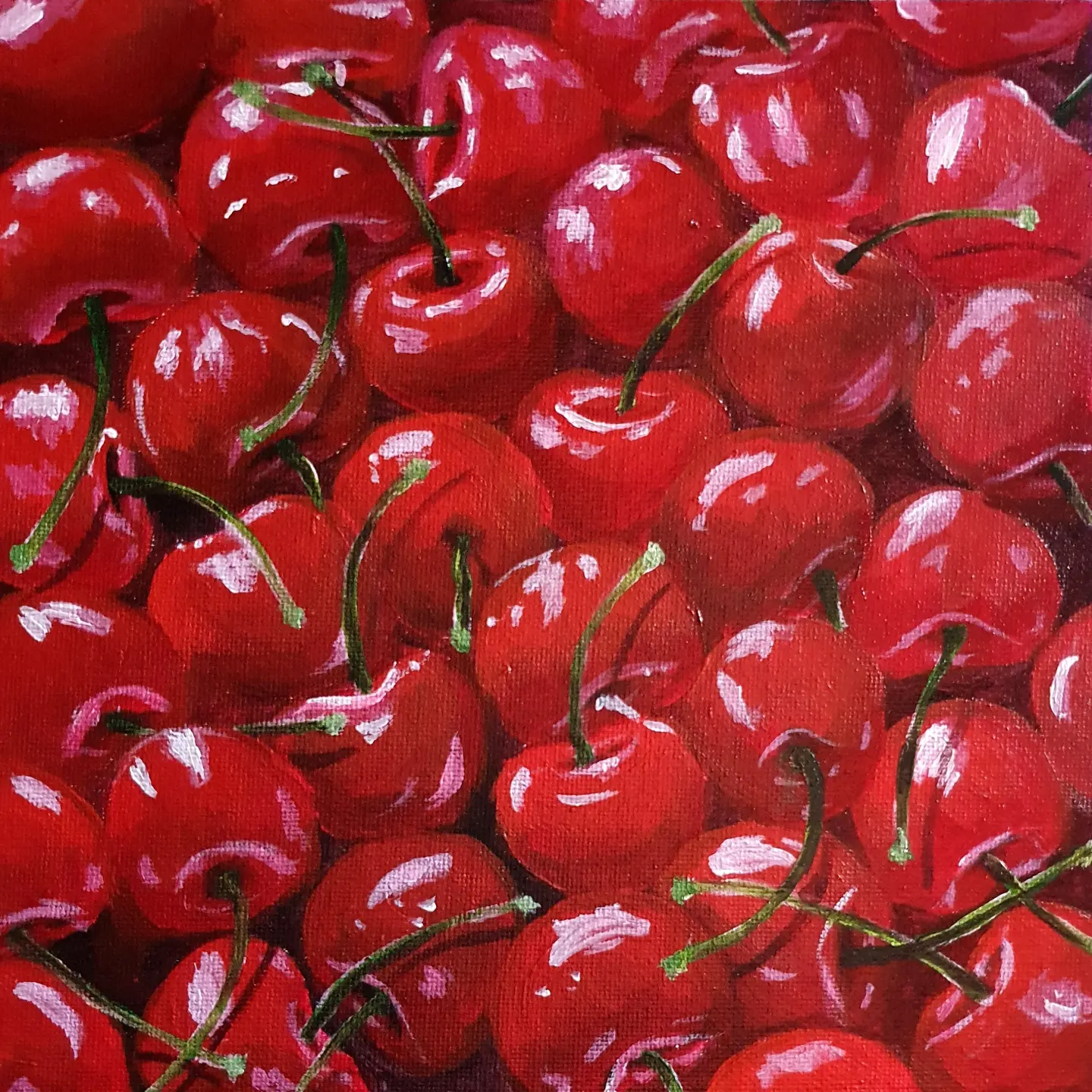
A guide for collectors who want to buy with insight, depth, and heart
When collectors begin their journey, one of the biggest questions is often, “How do I know if a piece of art is truly valuable?”
Many people look only at the price tag, the fame of the artist, or the popularity of the style. But the real value of art is far deeper than that. It is emotional, technical, spiritual, and human.
This article helps you understand how to recognise and appreciate the true worth of a piece of art, so you can collect with confidence and meaning.
1. Emotional Impact and Connection
Real value begins with how the artwork makes you feel.
A piece that moves you, calms you, excites you, or stays in your thoughts long after you walk away is already valuable. Emotional resonance cannot be manufactured. It is the meeting point between the artist’s intention and your inner world.
If a painting speaks to you, that alone is a kind of wealth.
2. Originality and Creative Vision
Original art carries the mind, imagination, and individuality of the artist.
Collectors should look for pieces that demonstrate:
A distinct visual language
A unique perspective
Technical skill combined with creative thought
A strong sense of identity in the work
Originality is one of the strongest markers of long-term value, both emotionally and financially.
3. Technique and Mastery of Medium
Behind every artwork is a lifetime of training, practice, and refinement.
Value often comes from:
The artist’s mastery of their medium
The complexity of their technique
The level of detail and craftsmanship
The hours invested in developing their skill
Art that is well executed holds a presence that less refined work cannot replicate.
4. The Soul of the Artist Within the Artwork
One of the most overlooked but powerful aspects of value is the spiritual and human essence embedded in every piece.
An artwork is not just a physical object. It is a fragment of the artist’s soul, mind, and lived experience.
Every brushstroke holds intention.
Every colour reflects emotion.
Every line, shape, and texture carries the energy of the moment it was created.
In a world where AI art is rapidly rising, human made art becomes even more precious. AI can replicate images, but it cannot replicate soul. It cannot replicate memory, heart, or the invisible stories that an artist pours into their work. The value of handmade art lies in its authenticity and its irreplaceable human essence.
Collectors who understand this develop a richer, deeper connection with the pieces they bring home.
5. Artist Integrity and Story
Collectors today care about who the artist is, not just what they create.
Value grows when an artist has:
A consistent body of work
A clear message or theme
Integrity in their creative journey
Authentic stories behind their creations
When you buy art, you buy a chapter of the artist’s story. That story grows in value as the artist continues to evolve.
6. Rarity and Exclusivity
Unique pieces or limited editions naturally hold more value.
But rarity is not just about quantity. It is about the uniqueness of the expression, technique, or subject matter.
If a piece captures something rare in emotion, mood, or meaning, it becomes a treasure.
7. Your Personal Legacy as a Collector
Every artwork you buy becomes part of your own story.
A meaningful collection is not built from prices or trends. It is built from the pieces that mark your memories, your growth, your travels, your joys, and your seasons of life.
The true value of art is felt over many years when you walk past a piece and remember the version of yourself who chose it.
Final Thoughts
Understanding value goes beyond market chatter. It is about honouring:
emotional truth
human skill
spiritual essence
authenticity
creative integrity
Collect the art that moves you. Collect the art that carries a story. And most of all, collect the art that brings beauty and meaning into your life.
This is the real value that lasts
Leave a Reply