
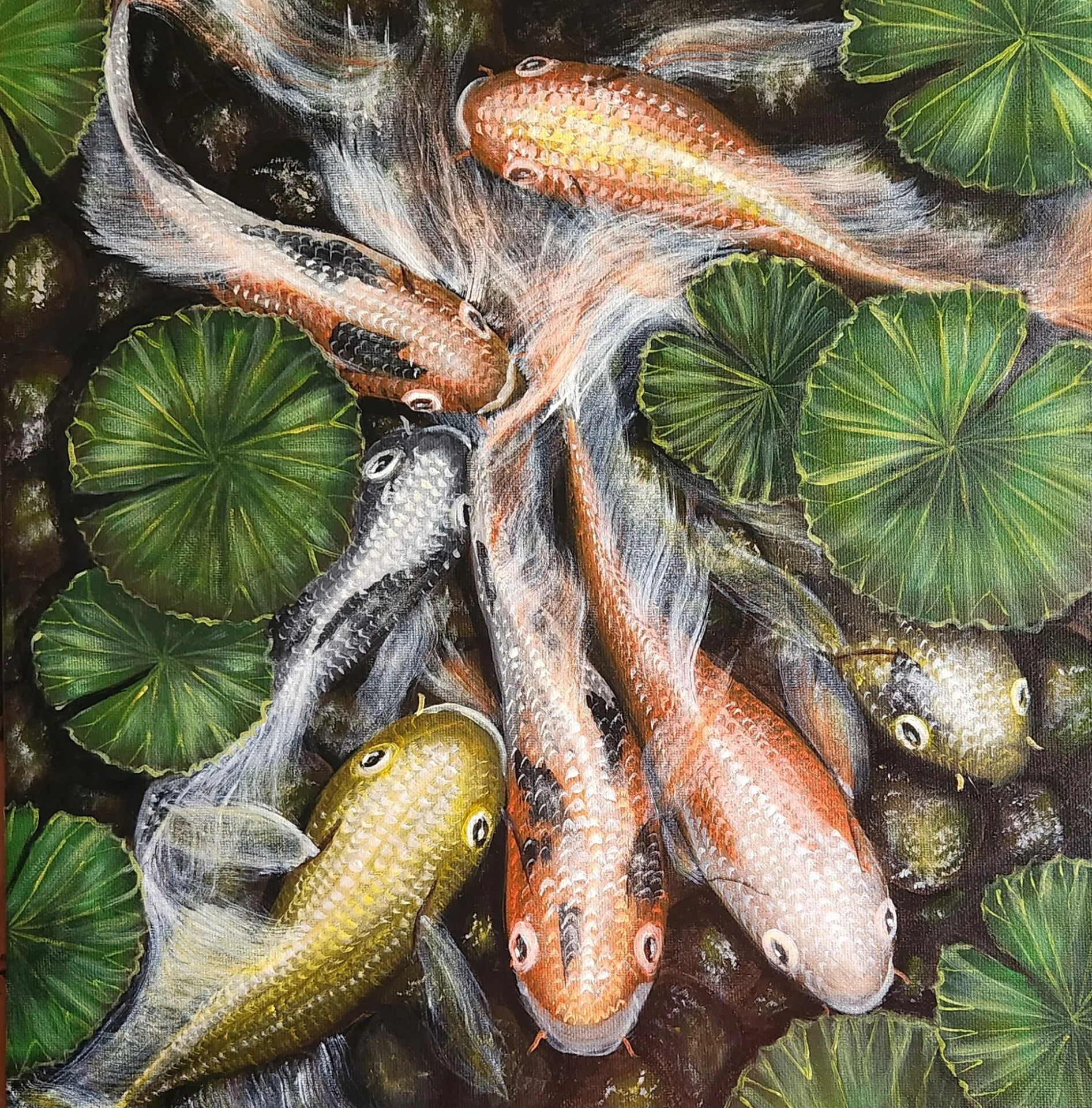
Art is not just something we look at. It is something we live with.
In feng shui, every object in a space carries energy, intention, and movement. Art holds especially strong influence because it speaks directly to both the mind and emotions. The images, colours, and stories we surround ourselves with quietly shape how a space feels and how we feel within it.
At its core, feng shui is not about rigid rules or superstition. It is a philosophy of harmony between people and their environment. Good feng shui supports balance, flow, and wellbeing. When art is chosen thoughtfully, it becomes an active contributor to this balance rather than a passive decoration.
Art introduces visual qi into a space. Flowing forms, gentle movement, and natural elements encourage smooth energy circulation. Harsh lines, chaotic compositions, or emotionally heavy imagery can disrupt this flow, even if we are not consciously aware of it. This is why a visually beautiful artwork may still feel uncomfortable in certain rooms or homes.
Collecting well means paying attention to how art interacts with the purpose of a space. Bedrooms benefit from calming and nurturing imagery that encourages rest and restoration. Living and dining areas thrive with artworks that feel warm, welcoming, and expansive. Work and creative spaces can hold more dynamic energy but should still support clarity, confidence, and focus.
Colour plays a powerful role in feng shui. Soft blues and greens echo nature and promote calm. Earth tones create stability and grounding. Warmer hues such as red or orange introduce vitality and movement when used with care. Rather than following formulas, observe how colour affects your mood and energy over time.
Subject matter matters as much as style. Nature, animals, water, and harmonious human forms tend to carry supportive energy. Art that reflects growth, compassion, joy, or quiet strength often enriches a space beyond its visual appeal. The story behind an artwork also matters. Knowing why a piece was created or what it represents strengthens its presence and intention in your home.
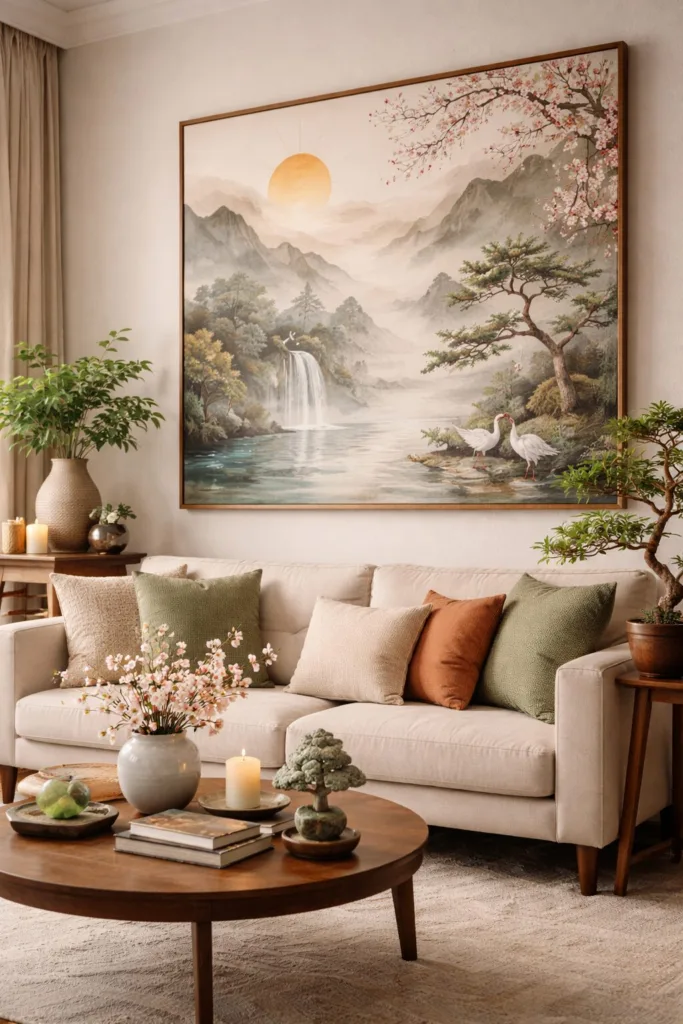
Placement is part of the dialogue between art and space. An artwork should sit comfortably at eye level and have enough breathing room around it. Overcrowded walls create visual and energetic noise. Feng shui values space as much as objects, allowing energy to move freely rather than stagnate.
Ultimately, feng shui is deeply personal. What feels harmonious to one person may not feel the same to another. Trust your instincts. If an artwork continues to bring ease, inspiration, or quiet joy over time, it is likely aligned with both you and your environment.
Collecting art with feng shui in mind is an act of awareness. It asks us to slow down, observe, and choose with intention. When art, space, and personal energy are in harmony, a home becomes more than a place to live. It becomes a place that supports, restores, and reflects who you truly are.
Art and Feng Shui Checklist for Collectors
Use this simple checklist when choosing or placing art in your space.
- Does this artwork make me feel calm, uplifted, or grounded when I look at it
- Does the mood of the artwork match the purpose of the room
- Are the colours supportive of the energy I want in this space
- Does the subject matter feel harmonious and life affirming
- Is the story or intention behind the artwork positive or meaningful to me
- Is the size of the artwork appropriate for the wall and room
- Is the artwork placed at a comfortable eye level
- Does the piece have enough space around it to breathe
- Does this artwork still feel right after spending time with it
- Would I be happy living with this artwork every day
Leave a Reply