
In a world of speed, shortcuts, and instant visuals, something quieter is happening in the art world.
People are slowing down again.
Walking through Art SG and its fringe events this year, I found myself repeatedly drawn not to the loudest or largest works, but to those that clearly took time. Artworks where you could almost feel the hours, the repetition, the patience, and yes, the obsession behind them.
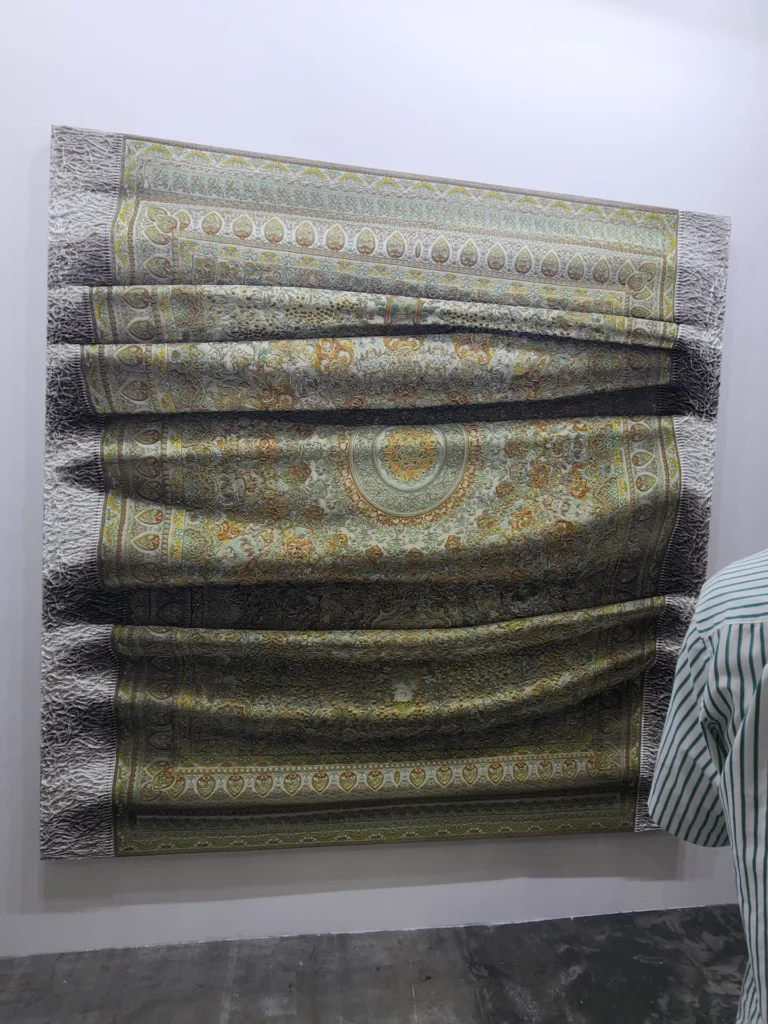
There was one painting in particular that stayed with me. A depiction of a carpet, folded and creased, rendered with astonishing precision. From afar, it read simply as fabric. Up close, it revealed an intricate universe of pattern, texture, shadow, and restraint. It wasn’t trying to impress. It was inviting you to stay.
And I did.
When Craft Becomes a Language
Craft has always been part of art, but for a long time it was quietly pushed aside in favour of concept, scale, or spectacle. This year felt different.
Across paintings and sculptures, there was a renewed respect for:
- Fine detail
- Repetition and labour
- Technical mastery
- Materials handled with care rather than force
Carved wooden sculptures showed deliberate marks left visible, not sanded away. Layered paintings revealed countless decisions, revisions, and refinements. Nothing felt rushed. Nothing felt disposable.
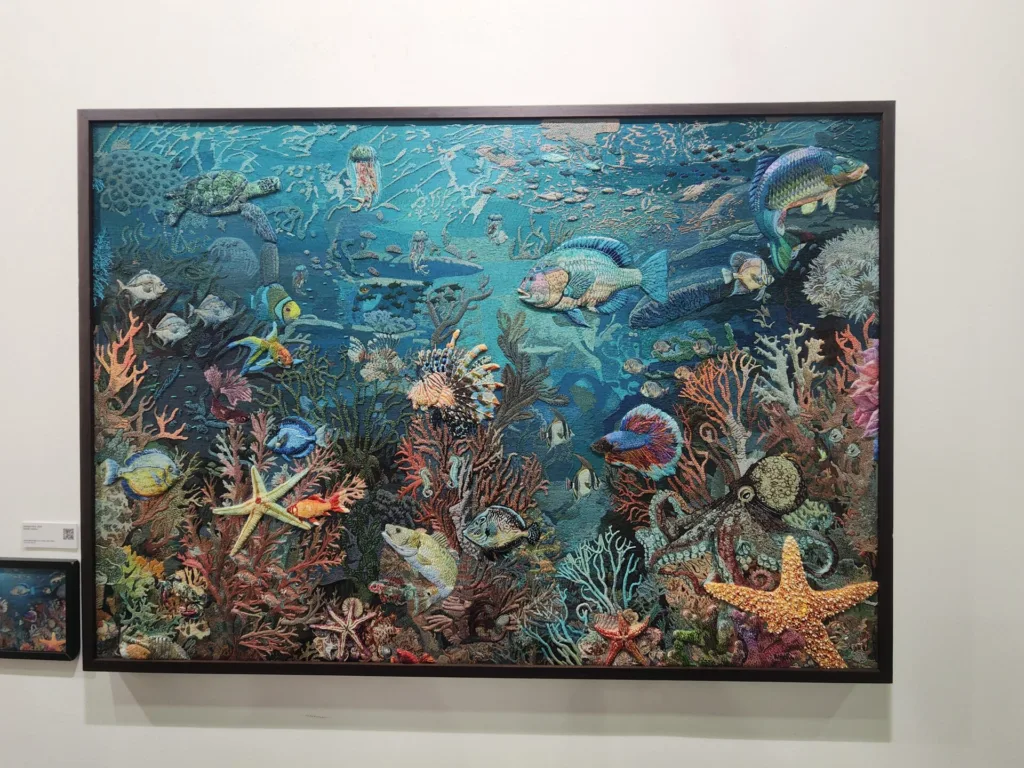
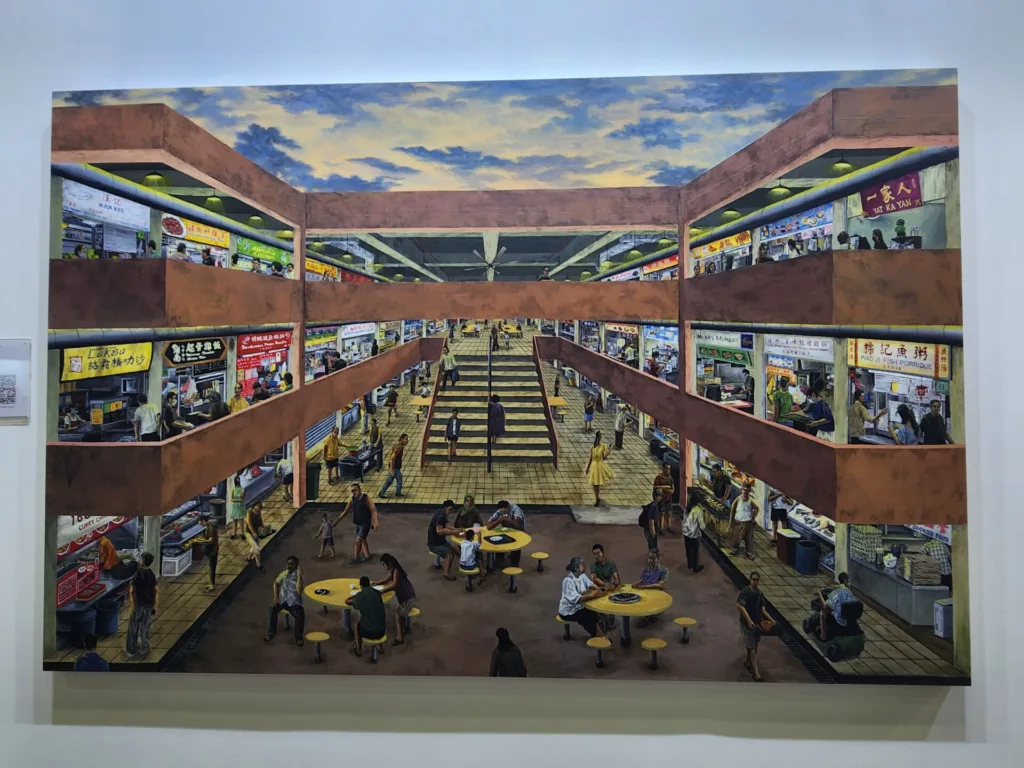
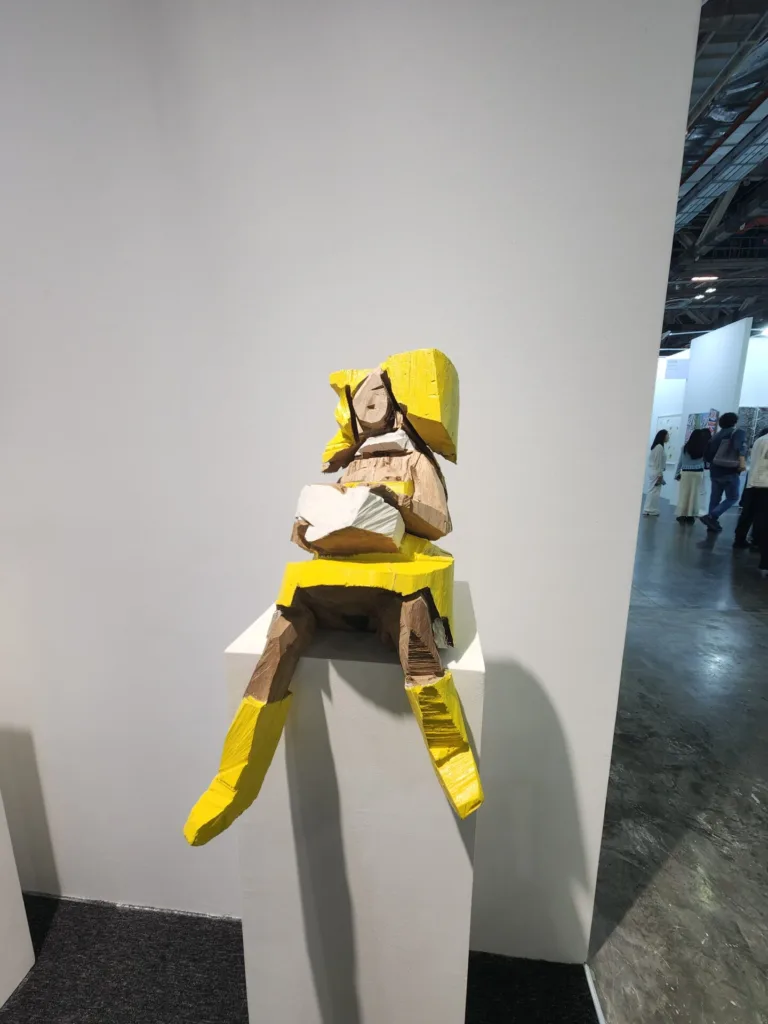
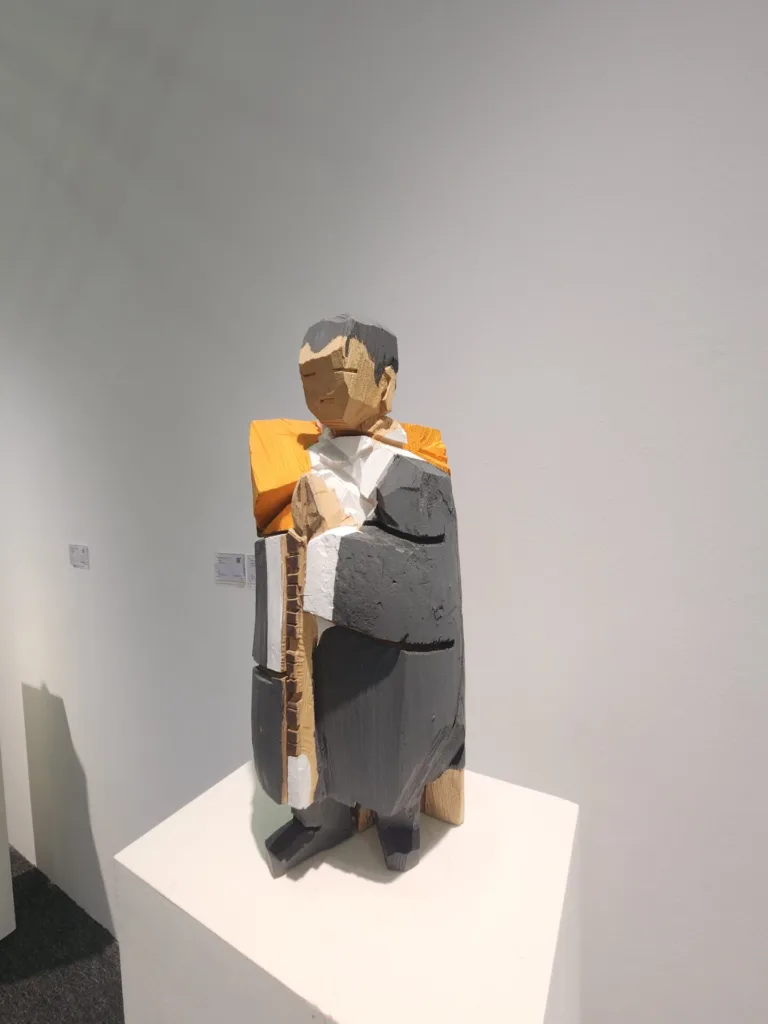
These works were not asking for a quick photograph. They demanded time.
Obsession as a Virtue
There is a certain kind of obsession that artists carry. Not the chaotic kind, but the devoted kind. The kind that returns to the same motif again and again, refining, deepening, and understanding it more fully each time.
This obsession is visible when an artist commits to:
- Repeating a pattern until it becomes meditative
- Exploring a single subject across multiple works
- Honouring tradition while reinterpreting it through a contemporary lens
The intricate carpet painting embodied this perfectly. It was not just about realism. It was about reverence. Reverence for pattern, for heritage, for the quiet beauty of something we usually walk over without noticing.
Why Collectors Are Responding Now
I believe this return to craft is not accidental.
In an age of AI-generated images and endless visual noise, collectors are craving authenticity. They want to know that:
- A human hand made this
- Time was invested here
- Skill was earned, not automated
There is comfort in owning something that could not have been rushed. Something that resists replication. Something that carries the energy of sustained attention.
These are works you don’t tire of quickly. Each viewing reveals something new. A brushstroke you missed. A texture you hadn’t noticed. A subtle imbalance that suddenly feels intentional.
Slow Art for a Fast World
Art like this changes how we look.
You don’t skim it.
You don’t scroll past it.
You don’t absorb it in seconds.
Instead, you pause. You lean in. Your breathing slows. Your mind quiets.
In many ways, this kind of art mirrors practices like meditation or yoga. It rewards presence. It teaches patience. It reminds us that depth comes from staying, not moving on.
Collecting With Intention
To collect well today is not to chase trends or speed. It is to recognise devotion when you see it.
Ask yourself:
- Can I feel the time in this work?
- Do I sense commitment rather than convenience?
- Will this reward me over years, not minutes?
Craft, detail, and obsession are not old-fashioned values. They are timeless ones. And their return feels not nostalgic, but necessary.
In a fast world, choosing slow art may be one of the most radical acts of collecting well.
Leave a Reply