

This article is part of my Collect Well series for collectors who want to look more slowly, notice more deeply, and understand what makes a work endure.
This year’s ART SG felt quiet at first, but rich on closer inspection. Rather than spectacle, I found myself drawn to works that rewarded slow looking, pieces carried on discipline, texture, and deeply considered material choices. This wasn’t just an art fair; it was a reflection of a broader shift in contemporary practice within Singapore and Southeast Asia.
ART SG 2026 brought together over 100 galleries from more than 30 countries, presenting an expanded curatorial program that included film, performance, and major platforms like S.E.A. Focus, a dedicated showcase for Southeast Asian contemporary art that grounds the fair in the region’s diverse artistic voices.
Walking the halls, I noticed how certain collective trends recurred, not as flashy moments, but as quiet undercurrents shaping the art of now.
Craft and Tactility Over Digital Gloss
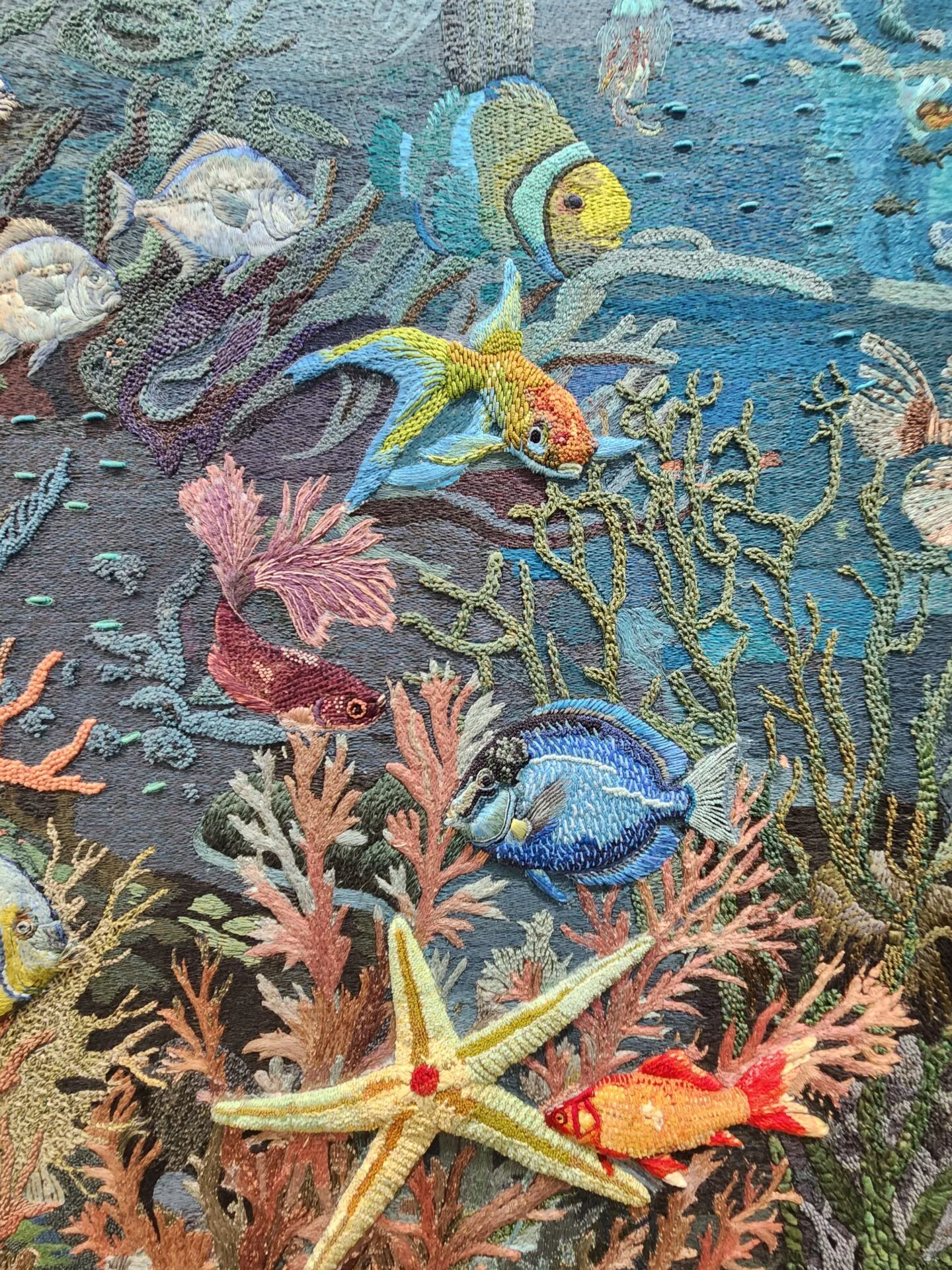
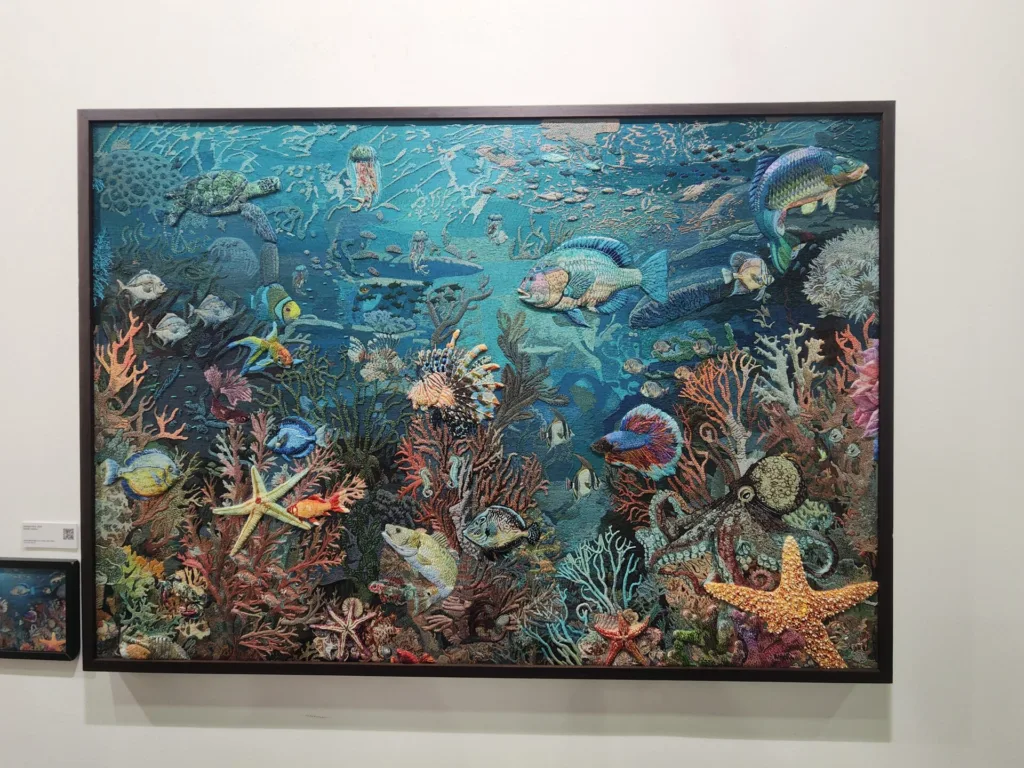
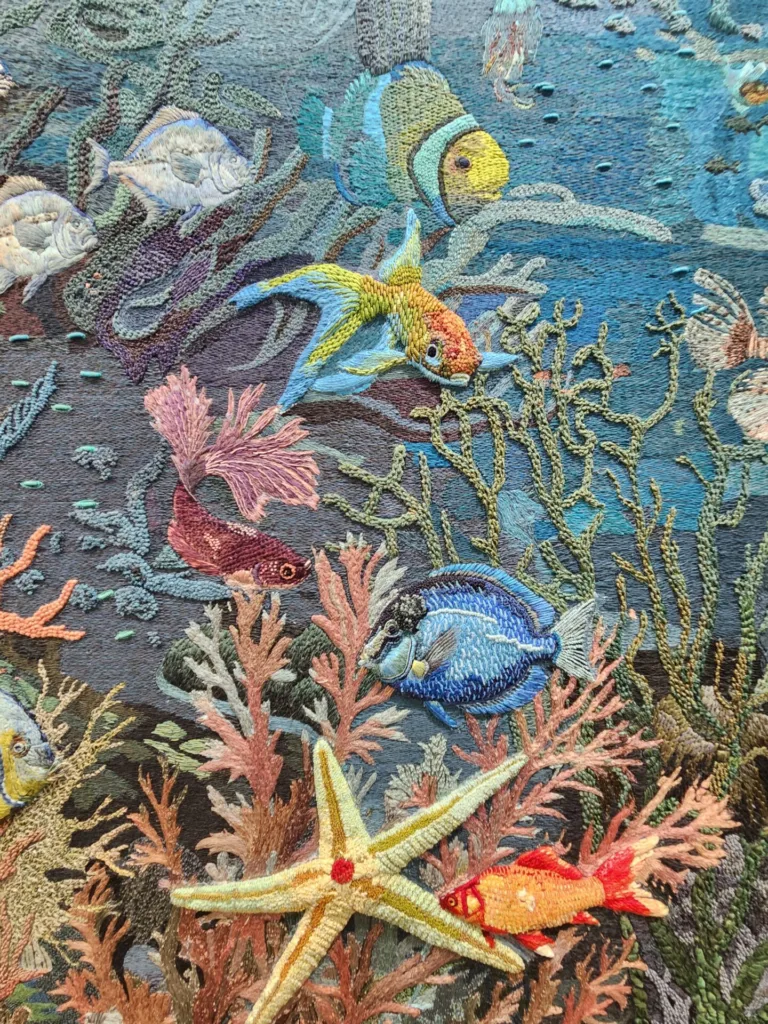
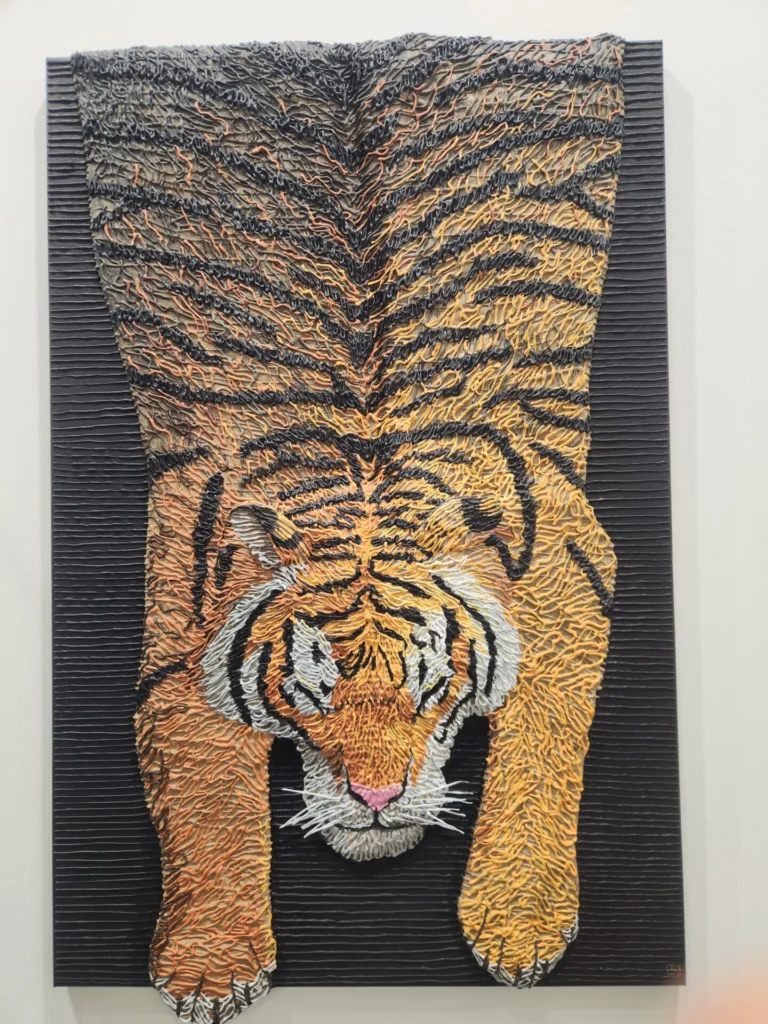
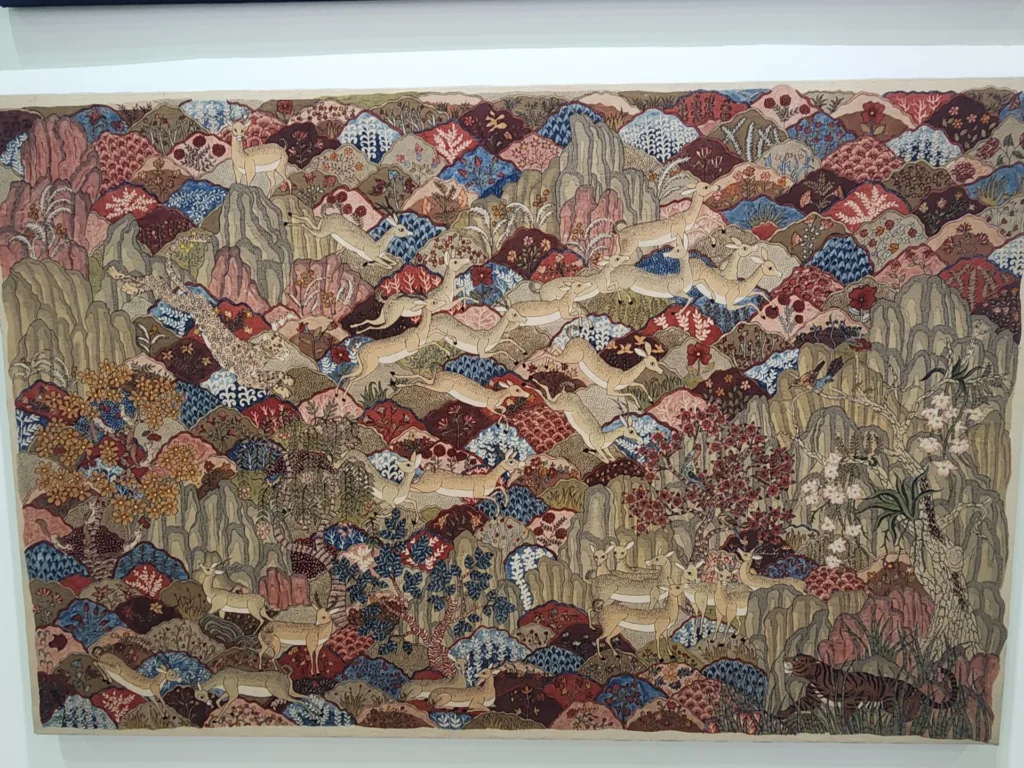
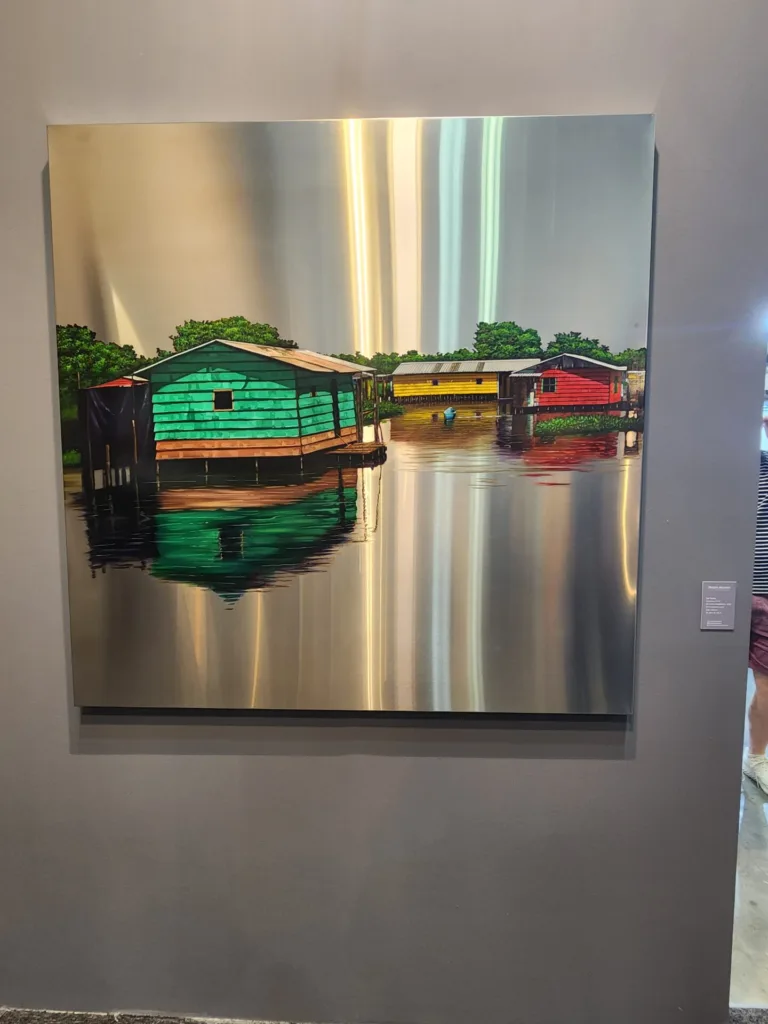
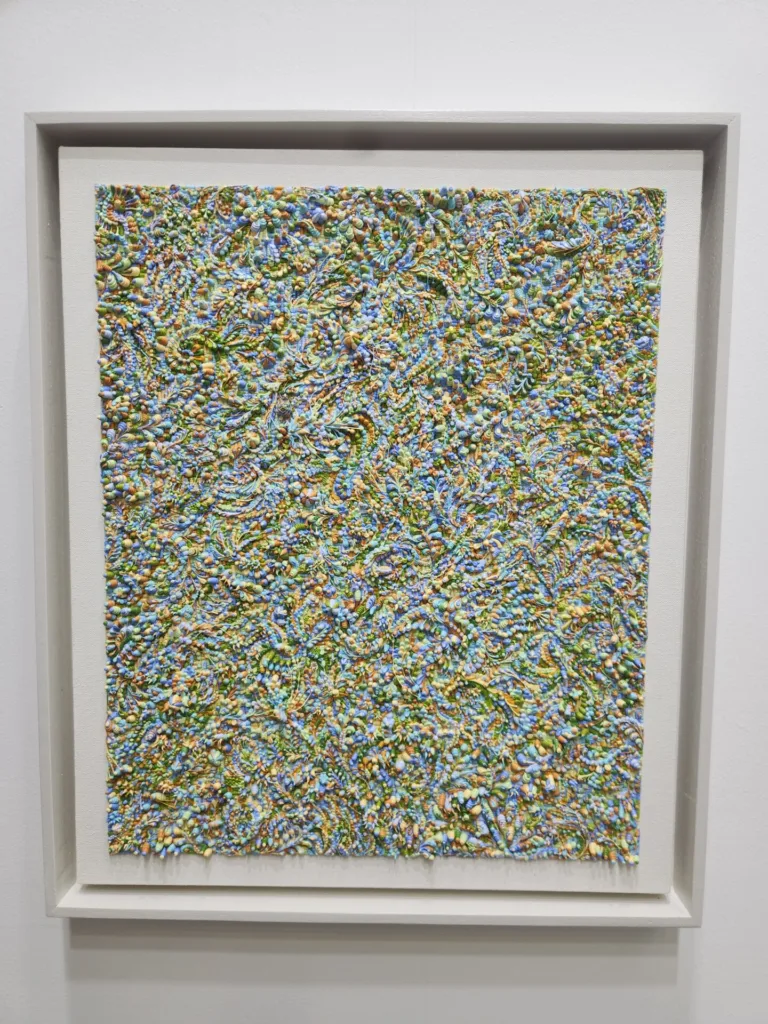
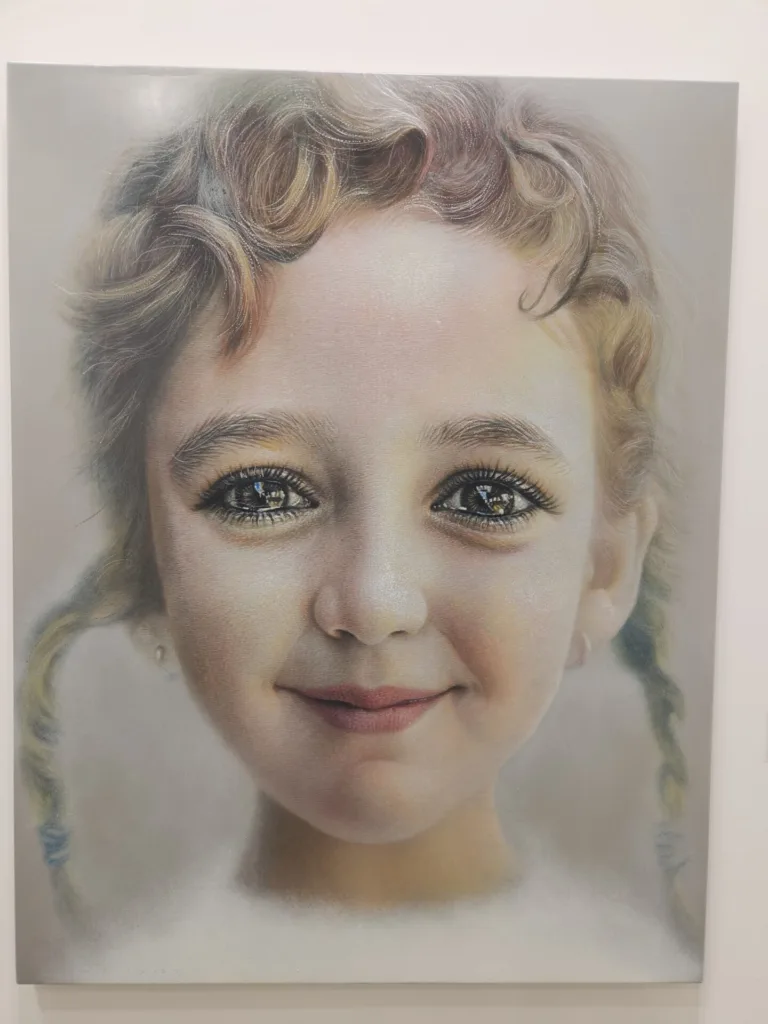
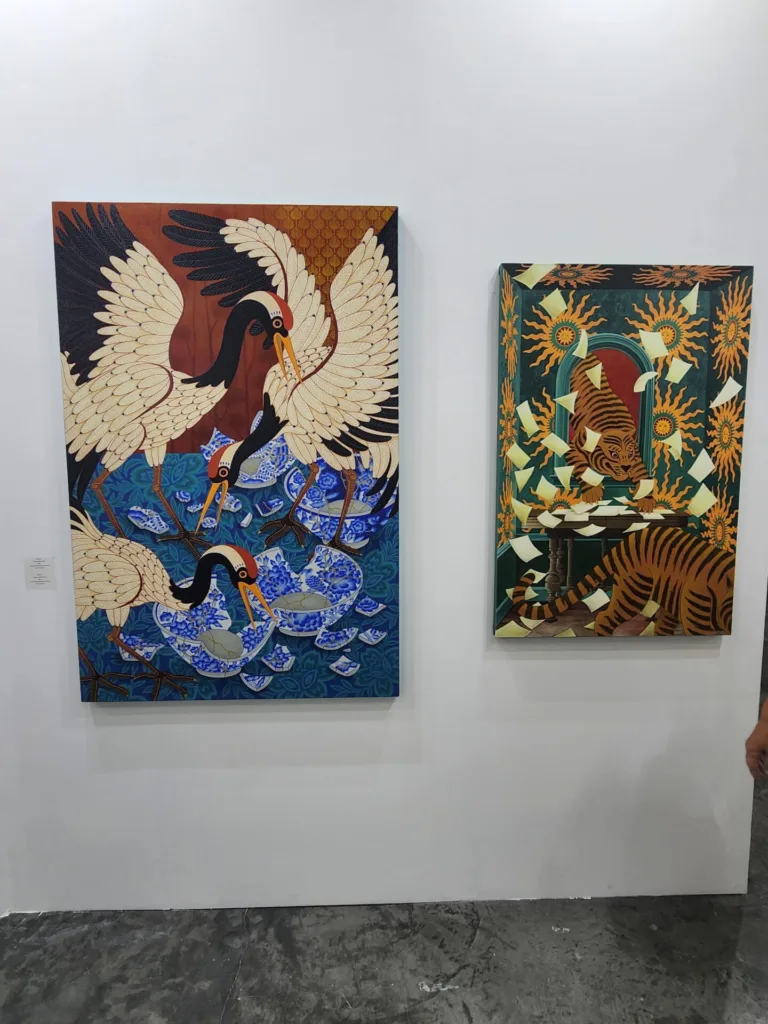
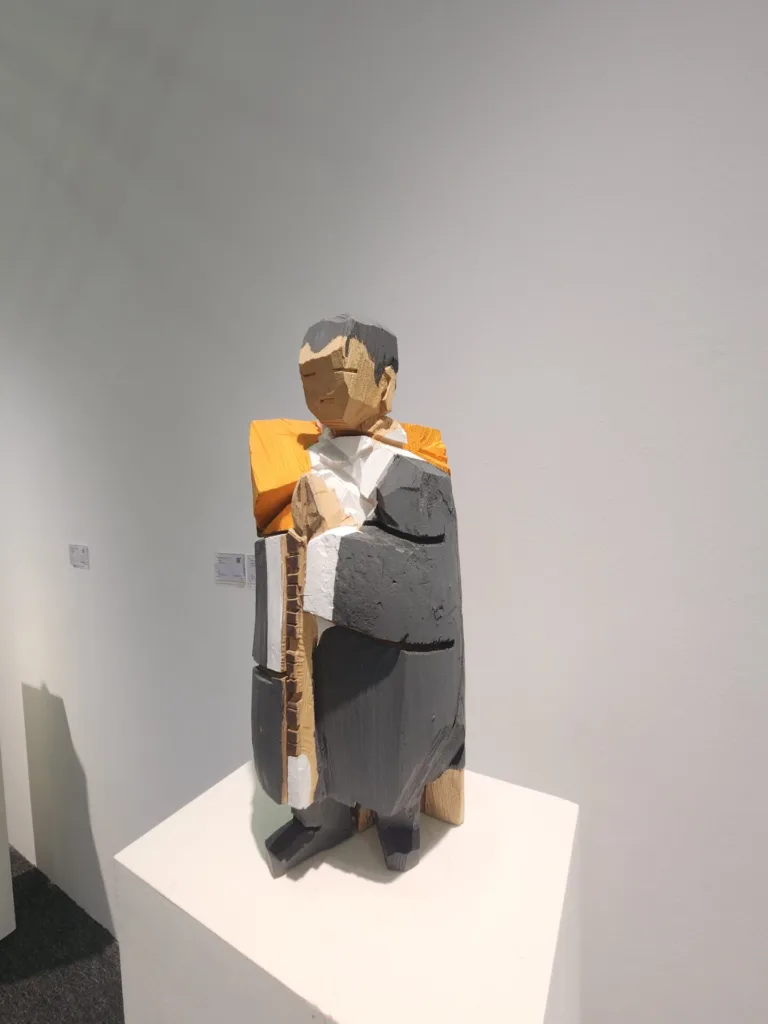
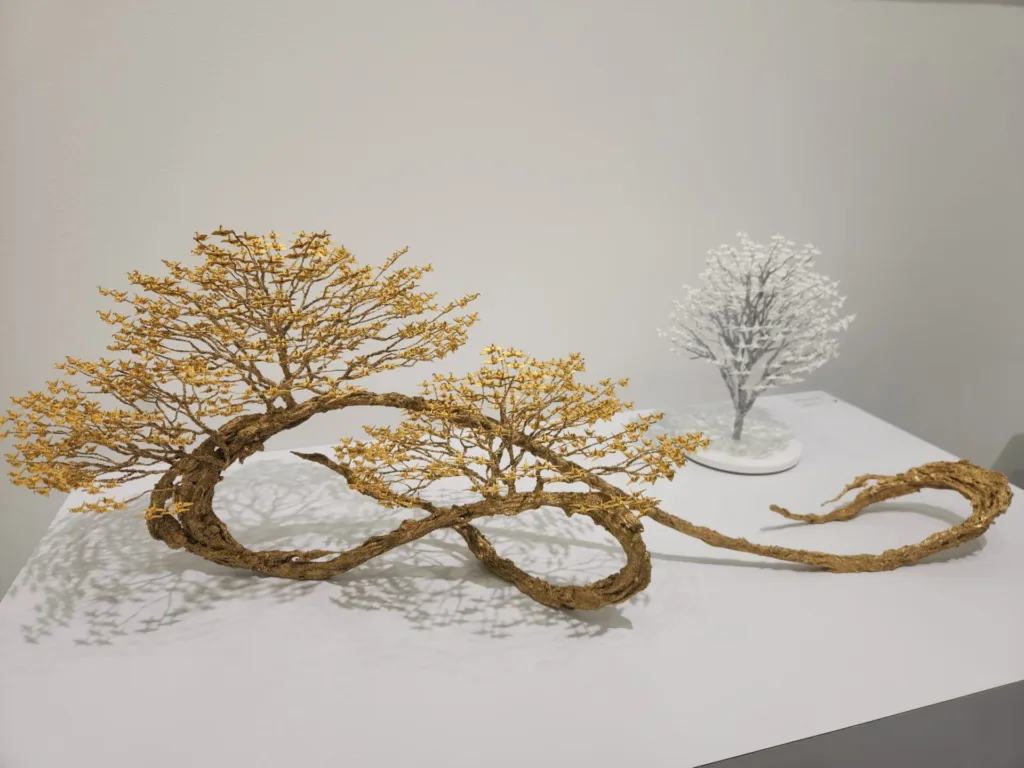
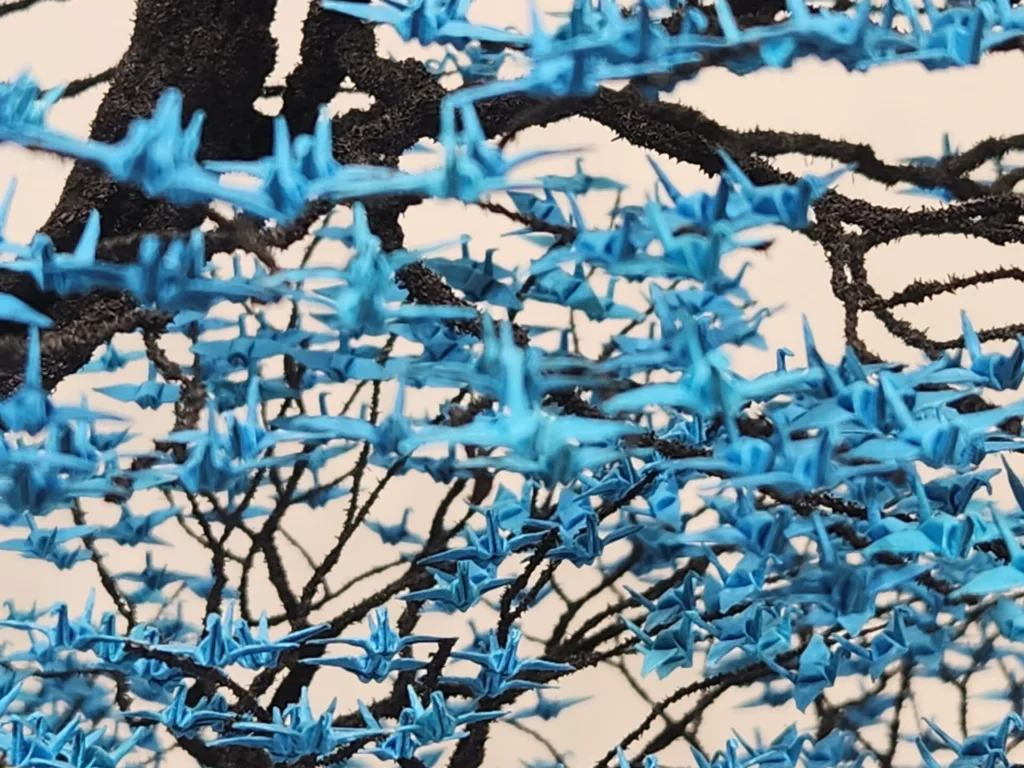
One of the strongest currents at the fair was a return to materiality. Embroidery, hand-worked surfaces, wood, steel, and textured paint weren’t just decorative. They were central to the works’ conceptual cores.
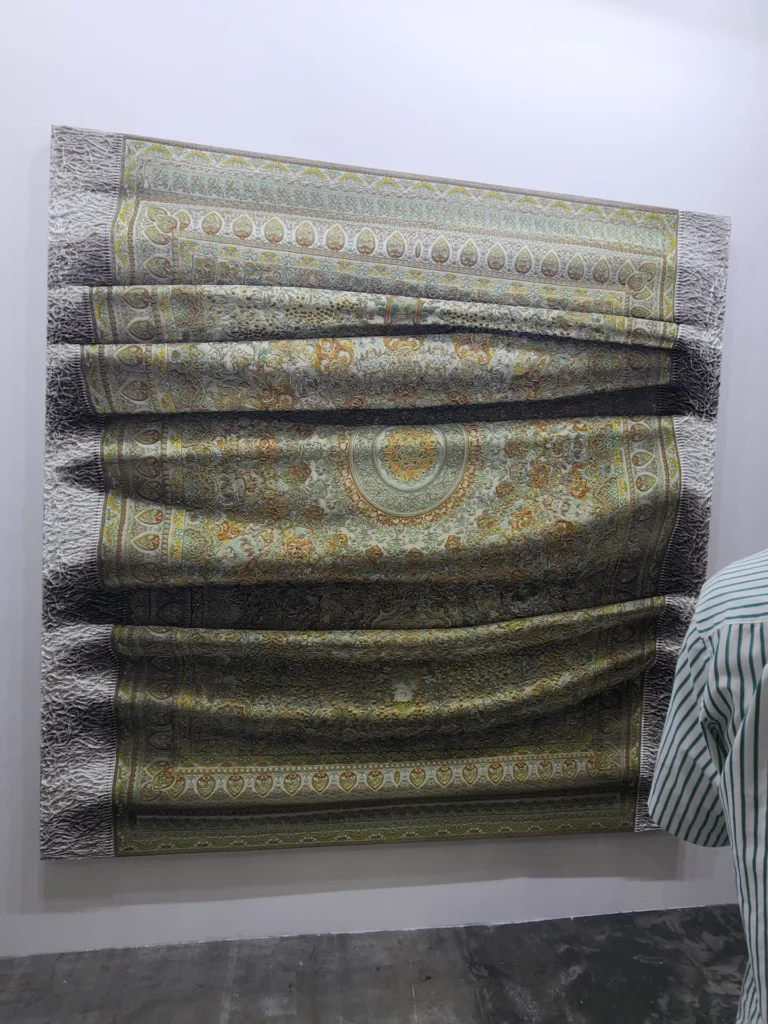
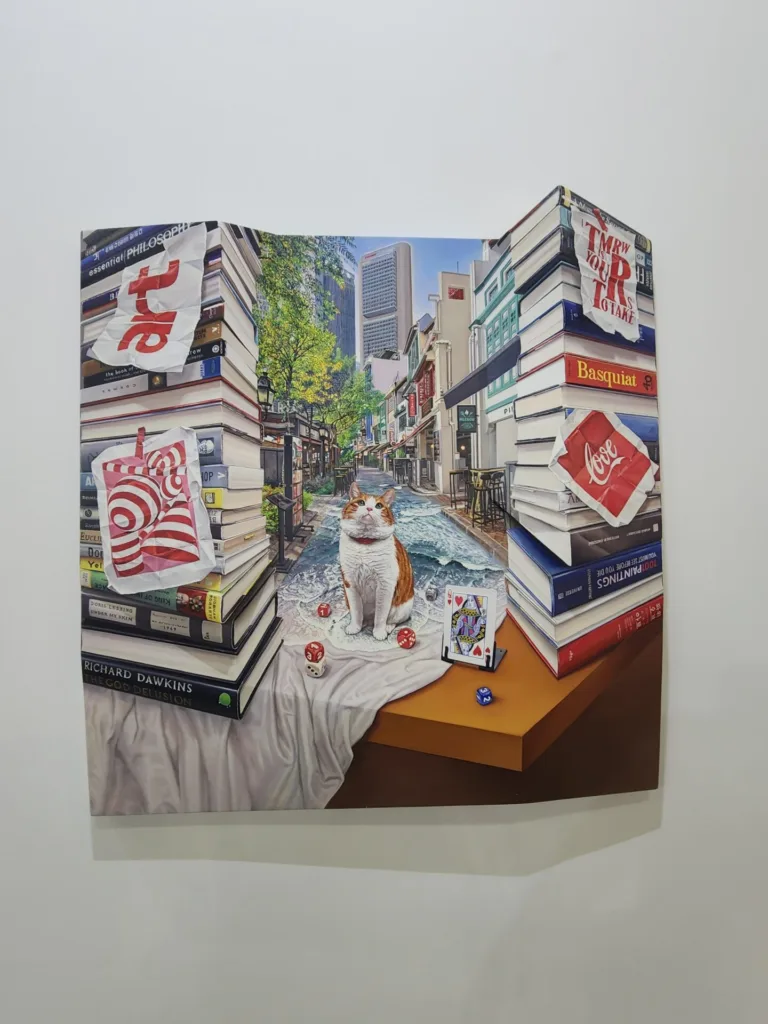
For example, the painting of the folded carpet was extraordinary not just for its illusion, but for how the surface became the subject. The intricate patterning, perfectly aligned motifs, and delicate handling of light and shadow made me aware of every hand and hour invested. Here, painting becomes object rather than image, blurring representation and presence.
This emphasis echoes a broader cultural movement in 2026 toward tactile craft and imperfection as value, a response to the slick, “perfect” visuals common in digital and AI aesthetics. In design circles this has even been called “Anti-AI Crafting”, where imperfection and the human hand are celebrated as markers of authenticity.
Structural Thoughtfulness in Abstraction
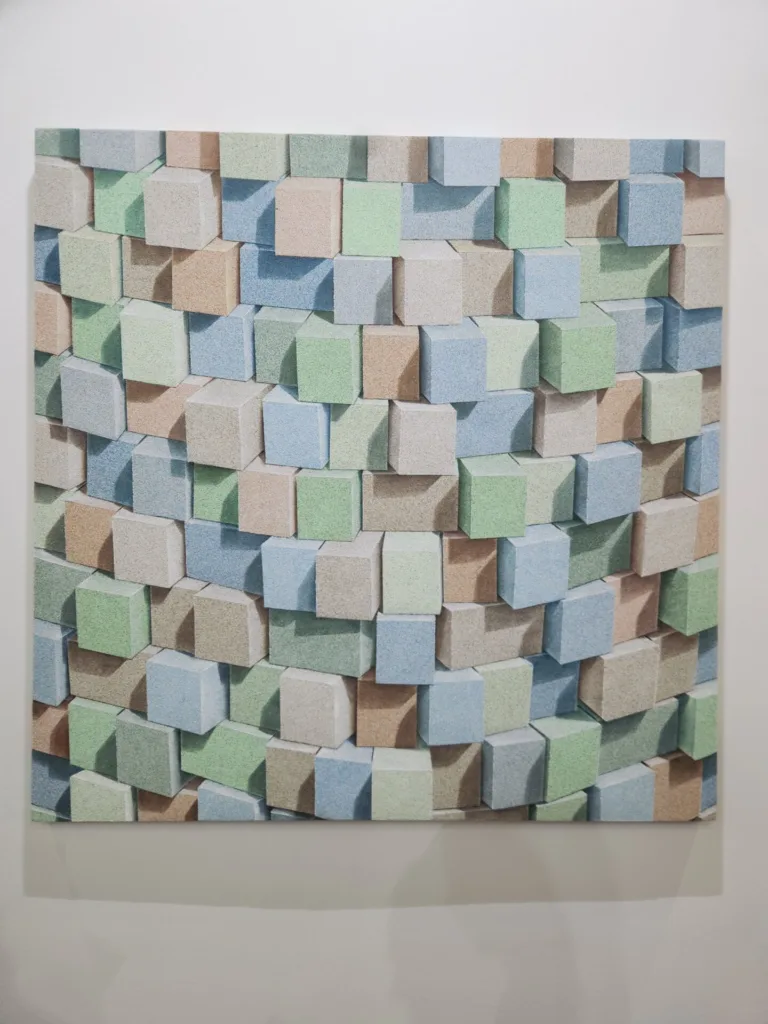
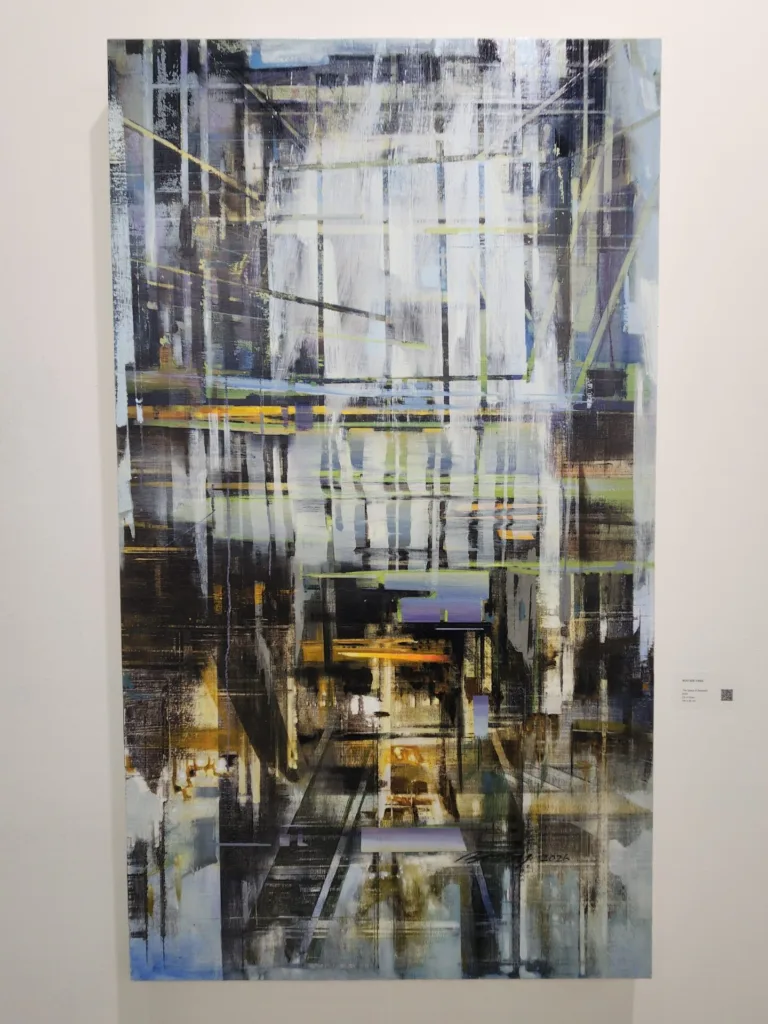
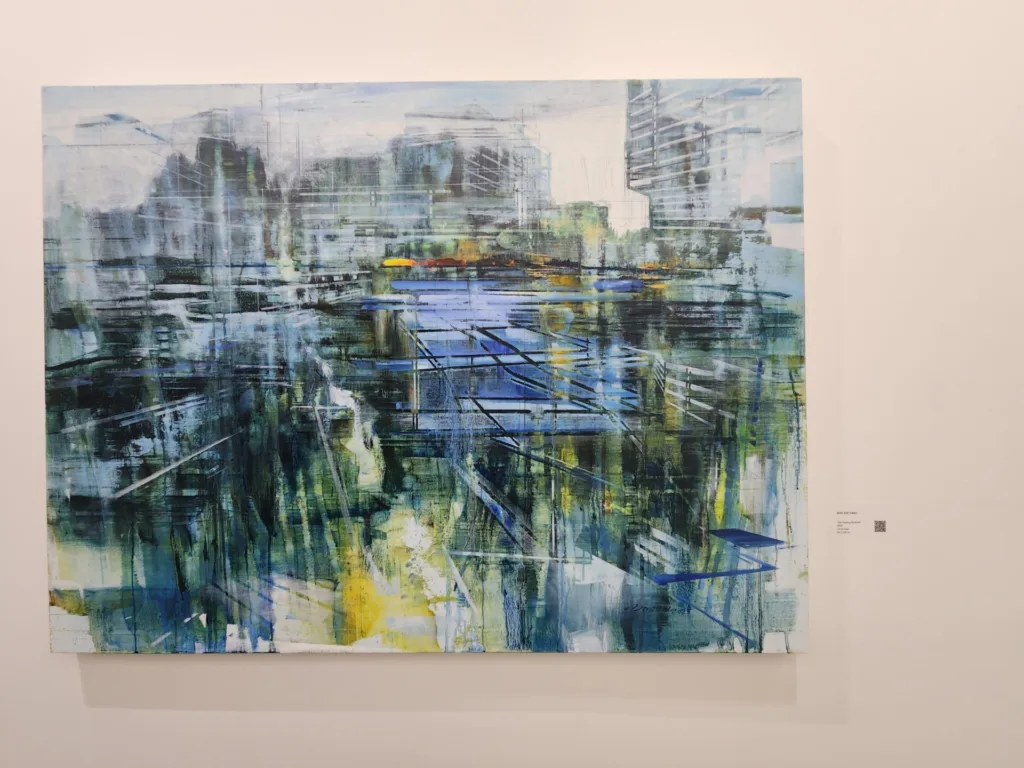
Several abstract urban pieces and layered cityscapes suggested highly structured thinking rather than gestural freedom. These works weren’t expressive outbursts; they were architectural and rhythmic, evoking urban memory and spatial logic more than surface emotion.
This trend toward controlled abstraction is worth noting: art is less about dramatic spectacle and more about depth of reflection, geometry, and the intelligence of composition.
Cross-Disciplinary and Expanded Practices
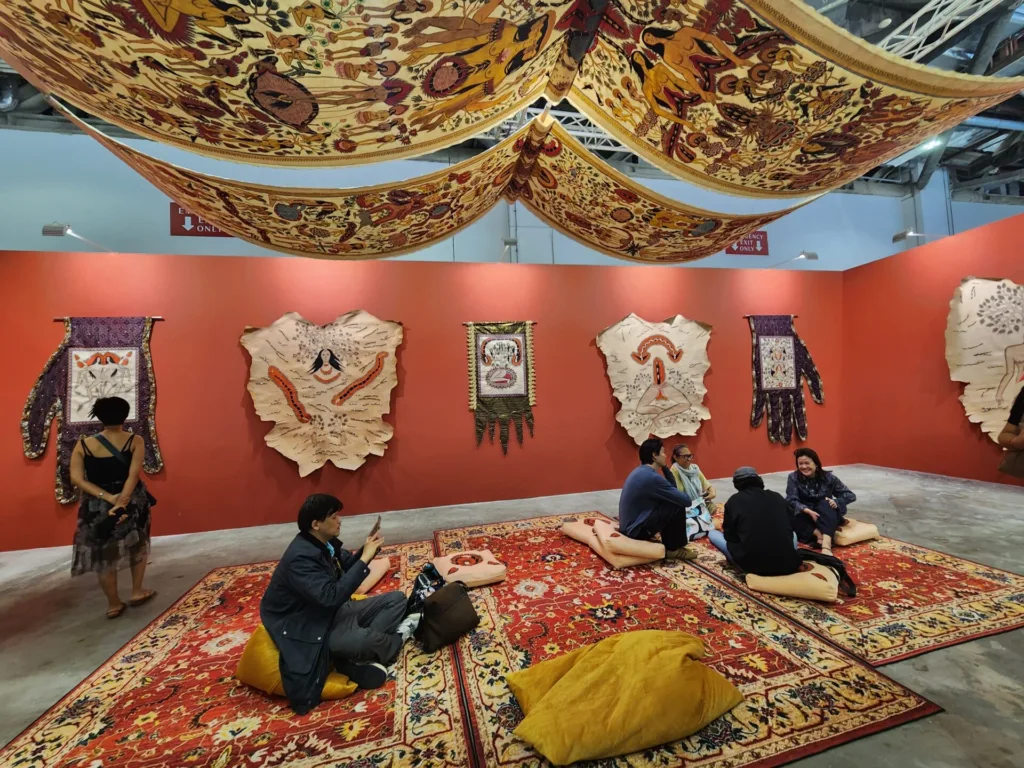
ART SG 2026 intentionally widened its scope beyond painting and sculpture: the fair’s PLATFORM program showcased large site-specific installations and performance works, and there were robust film and performance strands, indicating a continued movement toward multi-modal art experiences, where boundaries between media dissolve.
This reflects a wider Southeast Asian contemporary scene, connected to the growth of Singapore Art Week as a 10-day cultural circuit that includes installations, museum exhibitions, and public art activations alongside traditional gallery fare.
Local and Regional Voices Gaining Global Visibility
ART SG’s collaboration with S.E.A. Focus underscores a trend in prioritising regional specificity. Southeast Asian artists and narratives are not just present, they are central. Works grounded in local histories, materials, and cultural forms have substantial platforms, and this regional curatorial attention strongly influences what collectors value.
The Resurgence of Object-Based Painting and Sculpture
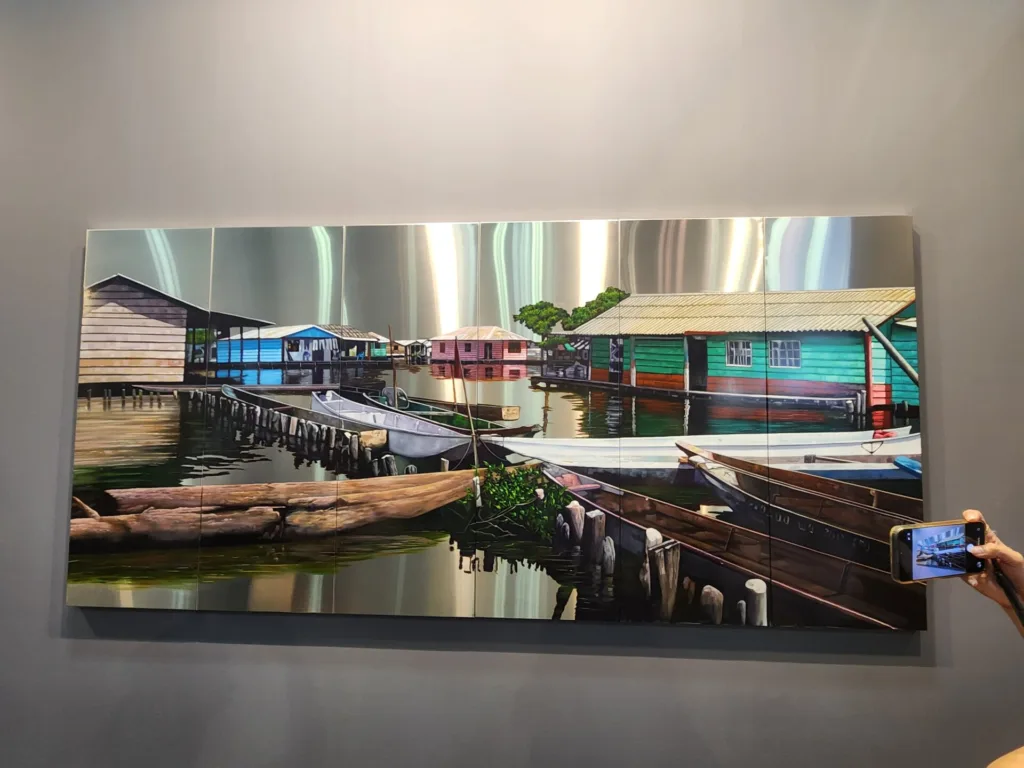
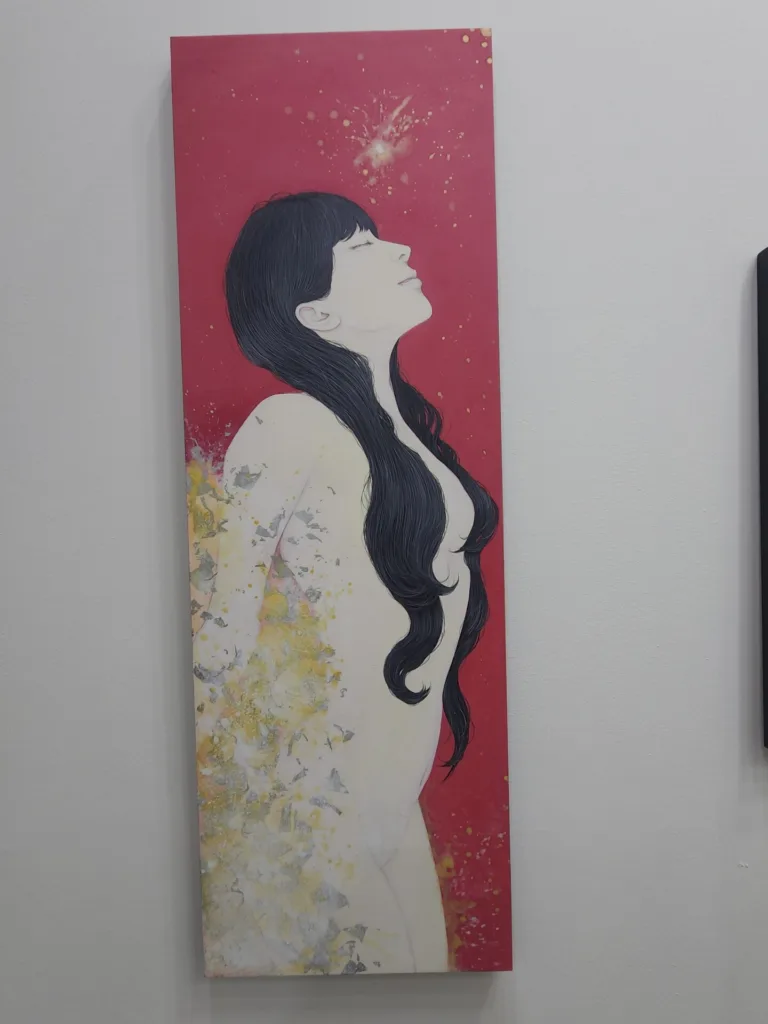
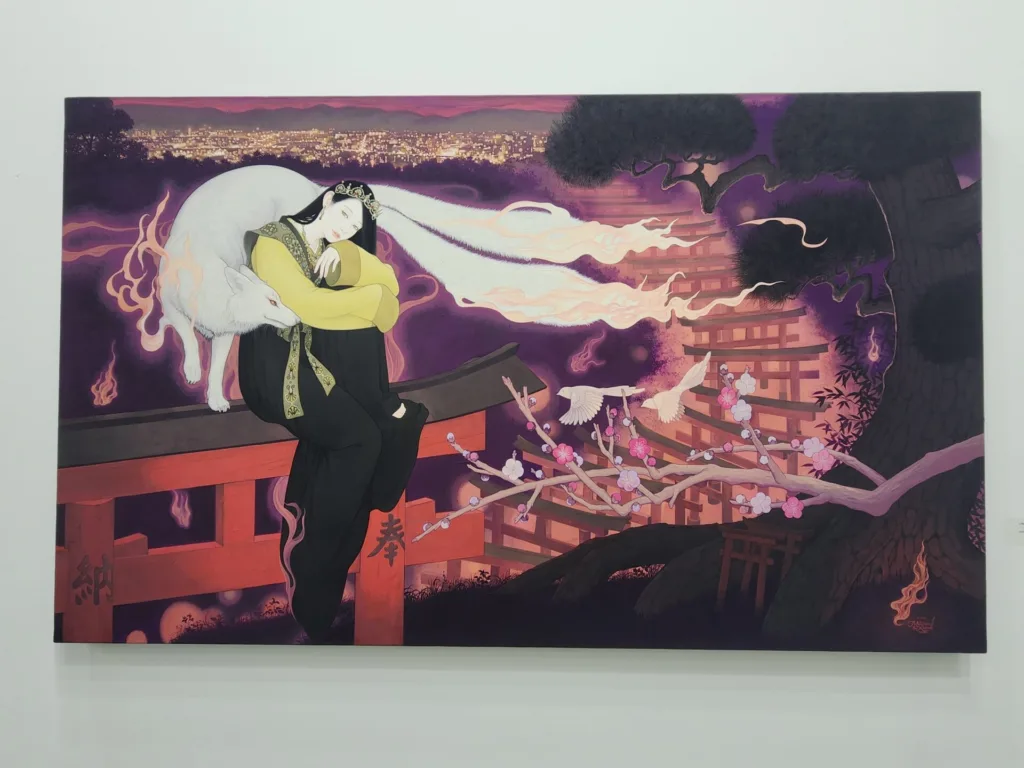
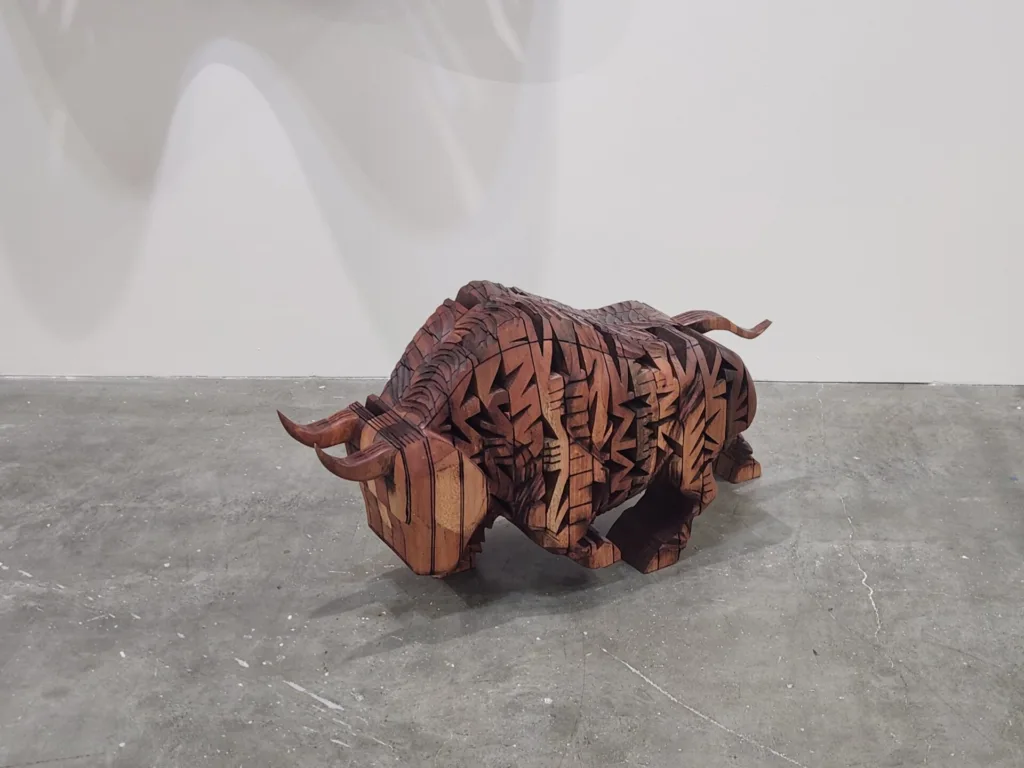
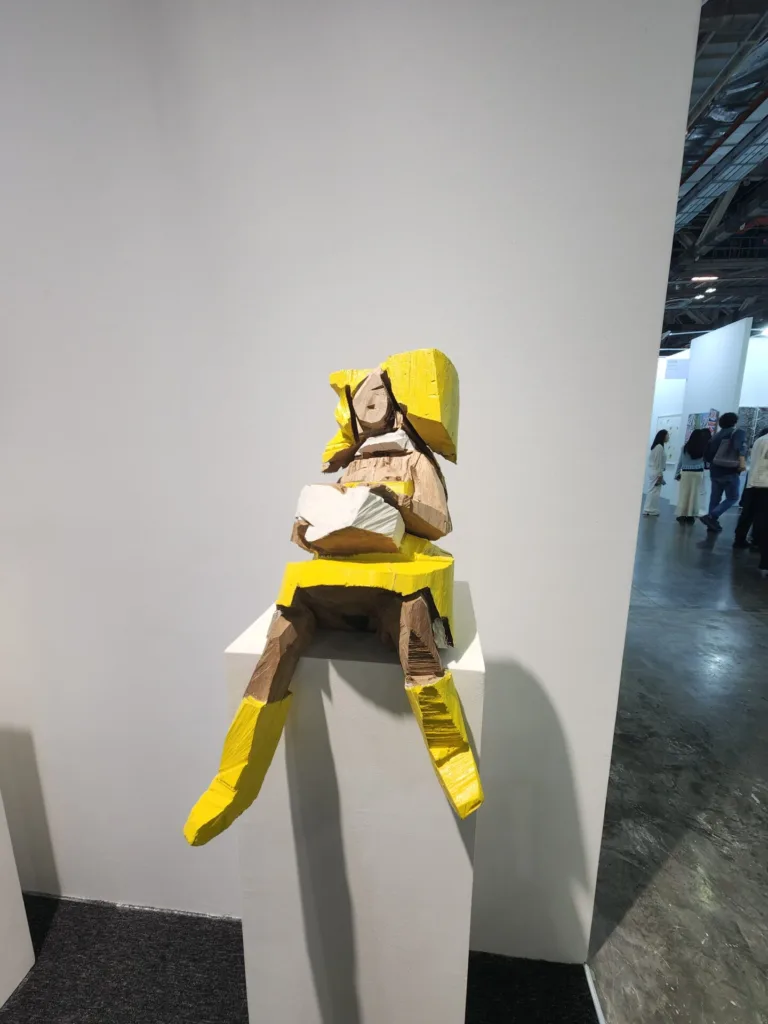
Across the fair, I saw painting that felt like objects, not just surfaces but physical presences: steel supports becoming integral to meaning, surfaces carved and textured in ways that made them feel almost sculptural. Similarly, wooden sculptures with visible tool marks, colour left intentionally raw, reminded me that process matters as much as form.
This feels like a collector-relevant shift: paintings and sculptures aren’t just visual statements, they are objects with presence, reminding us why we collect art in the first place. This emphasis on physicality aligns with Singapore’s broader cultural environment, a city that is increasingly a hub for both intellectual exchange and market dialogue in Southeast Asia.
How Slow Looking Helps a Collector
Slow looking is not just a poetic idea. It is a practical collecting skill. The longer you stay with a work, the more you begin to notice the decisions inside it: how the surface is built, how colour is balanced, where tension lives, and whether the piece continues to open up or quickly runs out of depth.
I think this is one reason fairs like ART SG can still be so valuable despite the volume of work on view. They remind collectors that endurance often matters more than instant impact. A piece that holds your attention over time usually has more to offer than one that only shouts at first glance.
Why These Trends Matter for Collectors
If there was one underlying theme at ART SG 2026, it was this:
Art that makes you look twice, that holds your attention, and that reveals its decisions over time is the art most likely to endure.
Works that foreground craftsmanship, material engagement, structural intelligence, and cross-disciplinary breadth are less reliant on fleeting visual impact and more rooted in why they exist and how they were made.
For collectors, especially those who are intentional about building a collection with depth — these are key indicators of meaningful practice:
- Material and process matter
- Surface is inseparable from objecthood
- Cross-disciplinary context enriches meaning
- Regional voices are defining new art conversations
Closing Thought
Singapore’s art ecosystem is not static. Anchored by platforms like ART SG and Singapore Art Week, there is a growing seriousness in how artists, curators, institutions, and collectors engage with contemporary practice. The art on view, particularly the works that stayed with me, showed a confidence in craft, presence, and thoughtfulness that feels reflective of this moment.
This is not art about speed. It is art about presence, process, and purpose.
And that is exactly the kind of work worth collecting well.
Leave a Reply