

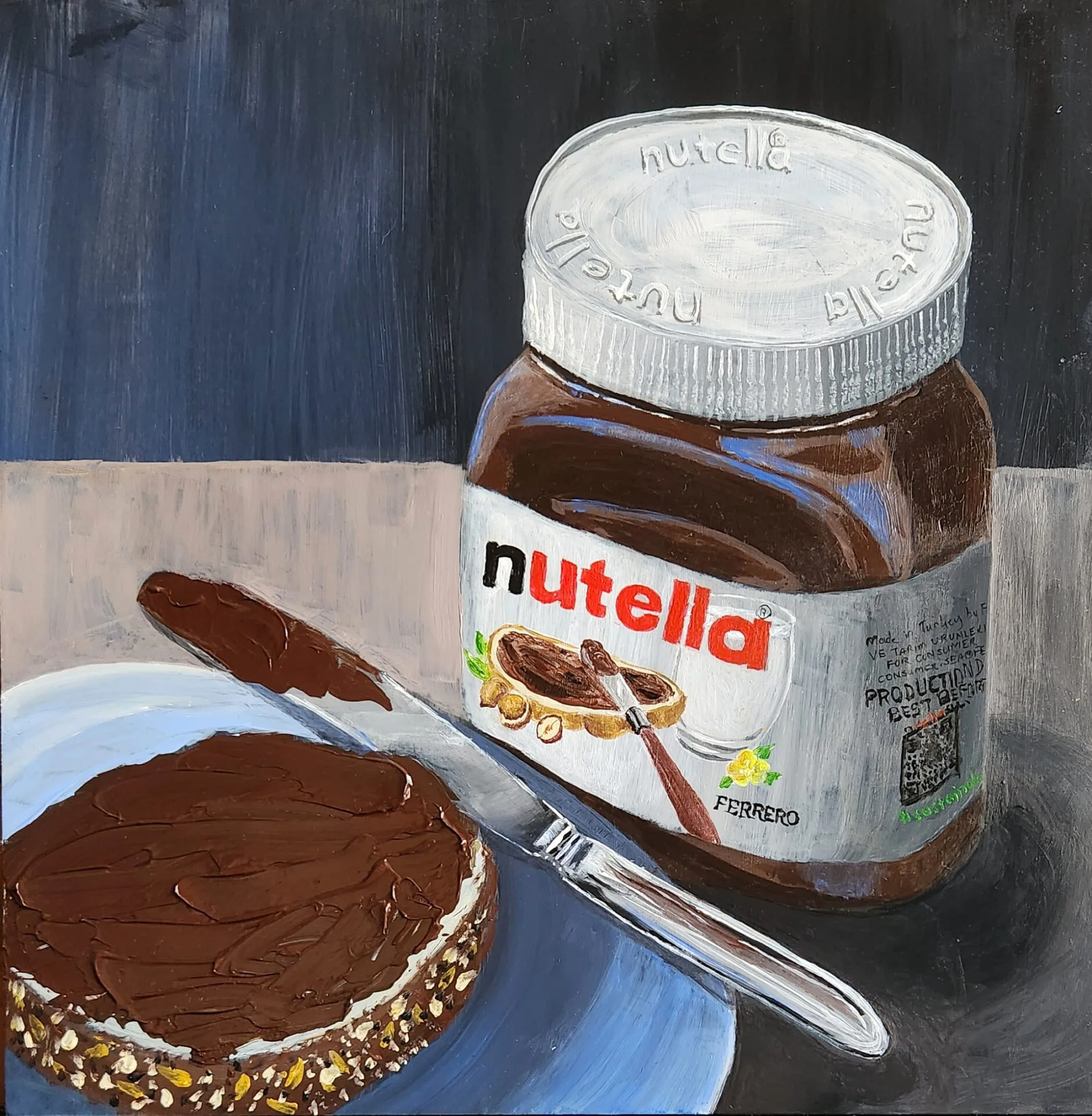
This article is part of my Collect Well series for collectors who want to care for the artworks they love with more confidence and practical awareness.
Caring for artwork well is one of the simplest ways to protect both beauty and long-term value. Even small habits around light, humidity, handling and storage can make a meaningful difference over time. Good care does not need to feel intimidating. It begins with a few steady practices and the willingness to pay attention.
Core Principles of Artwork Care
Before the checklist, it helps to remember that most artwork lasts best in a stable environment. Sudden changes in temperature, moisture, sunlight and handling tend to create more risk than quiet, consistent conditions. If you think in terms of stability, cleanliness and gentle care, you are already moving in the right direction.
- Avoid direct sunlight
Prolonged exposure to sunlight can cause fading and deterioration. Place artworks away from windows or use UV filtering glass. - Control humidity and temperature
Aim for a stable environment. Excess moisture can lead to mould, while extreme dryness may cause cracking or warping. - Choose the right location
Avoid hanging art in bathrooms, kitchens, or near air conditioners and heaters where conditions fluctuate. - Use quality framing materials
Acid free mounts and backing boards protect works on paper from yellowing and deterioration over time. - Handle artwork with clean hands
Oils and dirt from skin can damage surfaces. Use clean, dry hands or cotton gloves when handling artwork. - Keep artworks clean, gently
Dust frames and surfaces lightly using a soft, dry cloth. Avoid using water or cleaning chemicals directly on the artwork. - Allow space around the artwork
Avoid overcrowding. Proper spacing reduces the risk of accidental damage and allows air circulation. - Store unused artworks properly
Store artworks upright in a cool, dry place. Separate pieces with acid free tissue or protective sleeves. - Inspect artworks periodically
Look for early signs of fading, cracking, mould, or insect activity. Early intervention helps prevent long term damage. - Consult a professional when needed
For valuable or damaged pieces, seek advice from a professional conservator rather than attempting repairs yourself.
Simple Care Habits That Protect Value
I think collectors sometimes underestimate how much value is protected by ordinary consistency. Hanging a work away from harsh light, checking the frame once in a while, and storing unused pieces properly may feel small, but those habits help preserve the condition that future you will be grateful for.
Good care also deepens your relationship with the artwork. When you pay attention to how a piece lives in your space, you become more aware of its materials, needs and presence. That attentiveness is part of collecting well.
When to Ask for Professional Help
If you notice mould, flaking paint, major warping, insect damage, or structural issues with the support, it is worth asking a conservator for advice rather than experimenting on your own. Small mistakes in cleaning or repair can create larger problems later.
And if you are still choosing new work for your home, caring well begins even earlier by asking good questions before buying and understanding the materials you are bringing home.


Leave a Reply